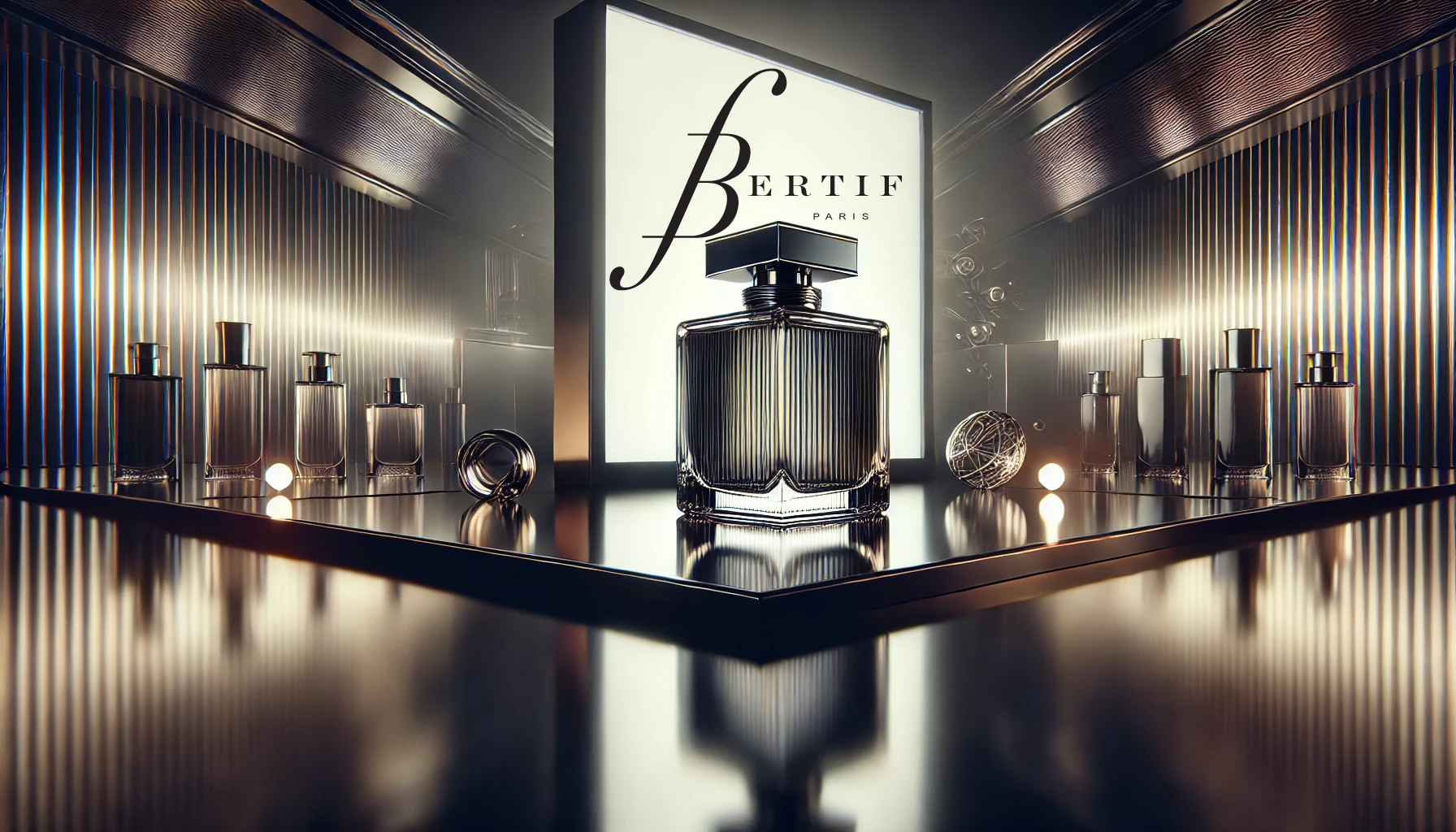
Bertif de Paris has been composing exquisite scents since 1857, when Henri Bertif took a lease on a narrow shopfront near the Rue Saint-Honore and began macerating his first jasmine absolute in a copper vessel behind the counter. The house has changed hands four times and moved twice in the years since, but the method has not moved at all. We still blend in small batches, we still rest our concentrates for years before they are bottled, and we still put the perfumer's name on the label of everything we sell.
What follows is a short account of how the house works, how our scents are made, and how to choose between them. If you would rather simply browse, every fragrance in the catalogue is a few clicks away.
A Parisian House, Founded in 1857
The first Bertif formulas were written for a small circle of customers who wanted something other than the heavy, sweetened compositions that dominated Paris in the middle of the nineteenth century. Henri Bertif built his reputation on the opposite instinct: fewer materials, better materials, and enough patience to let them settle into one another. Jasmin, first sold in 1890 and still in the catalogue today, was the fragrance that made the house's name.
The archive in our workshop holds handwritten formula books going back to the earliest years of the house. Several of the scents you can buy today are read directly out of those books, adjusted only where a raw material is no longer available or no longer permitted. Where a substitution has been necessary, we say so on the product page rather than quietly reformulating and hoping nobody notices.
We remain a small operation by design. A larger house can fill more bottles in a week than we fill in a season, and it can price accordingly. What it cannot easily do is keep a maceration running for 24 months, or reject a season's harvest because the yield smelled thin. That trade is the whole reason the house still exists.
Our Collections
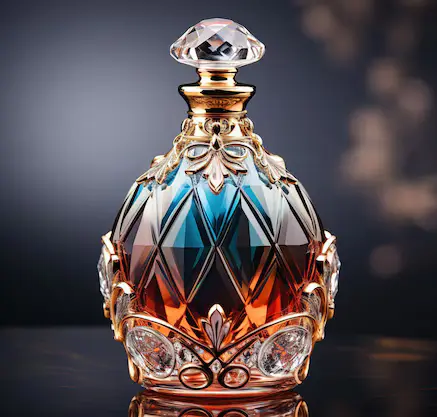
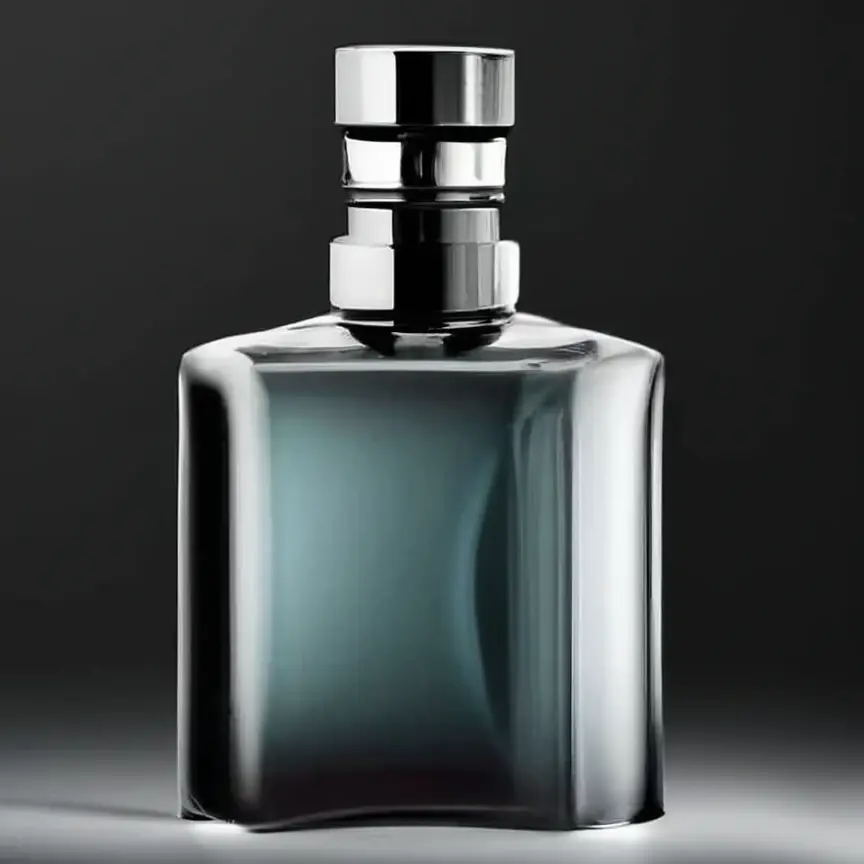
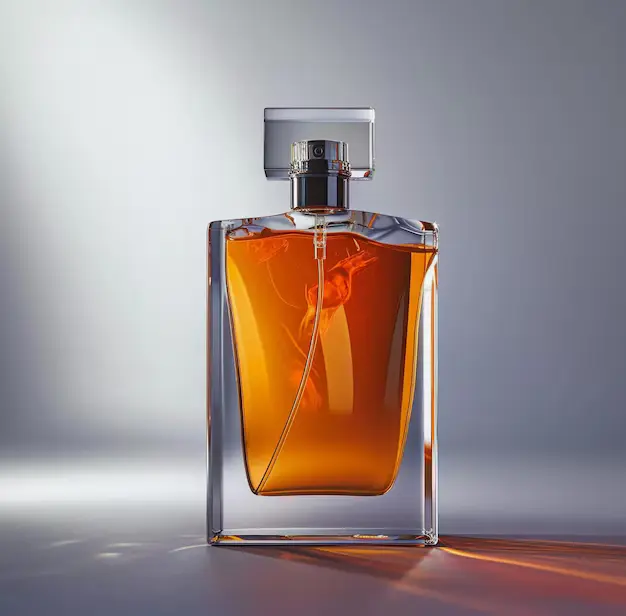
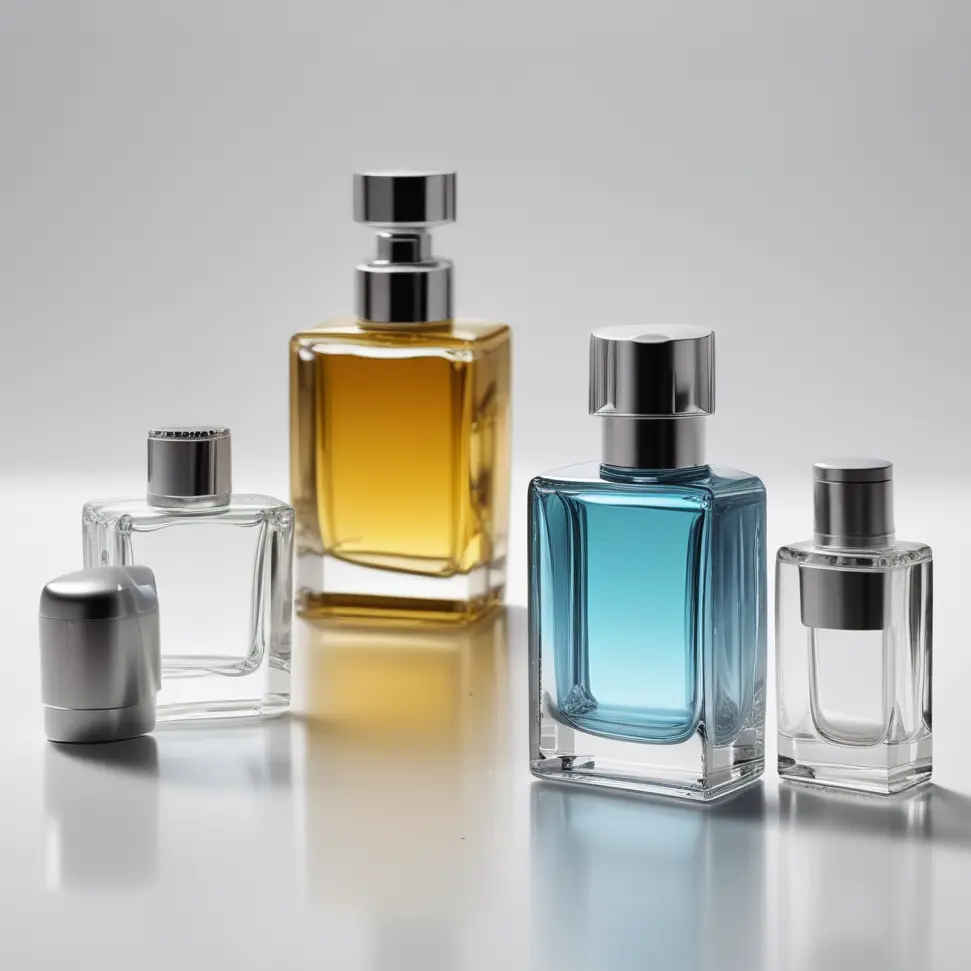
Recently Added
Each fragrance has its own page, with notes, history and reviews.
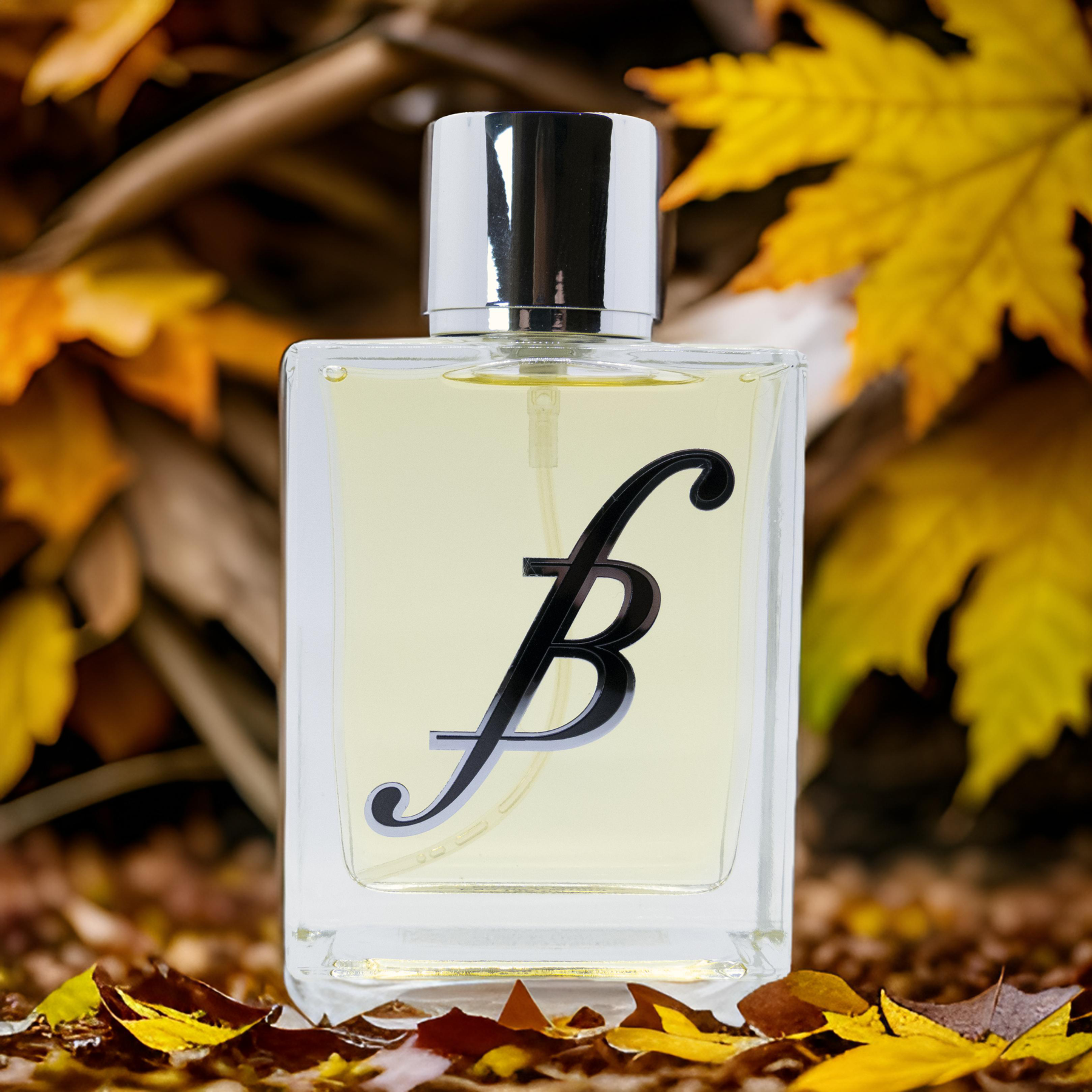
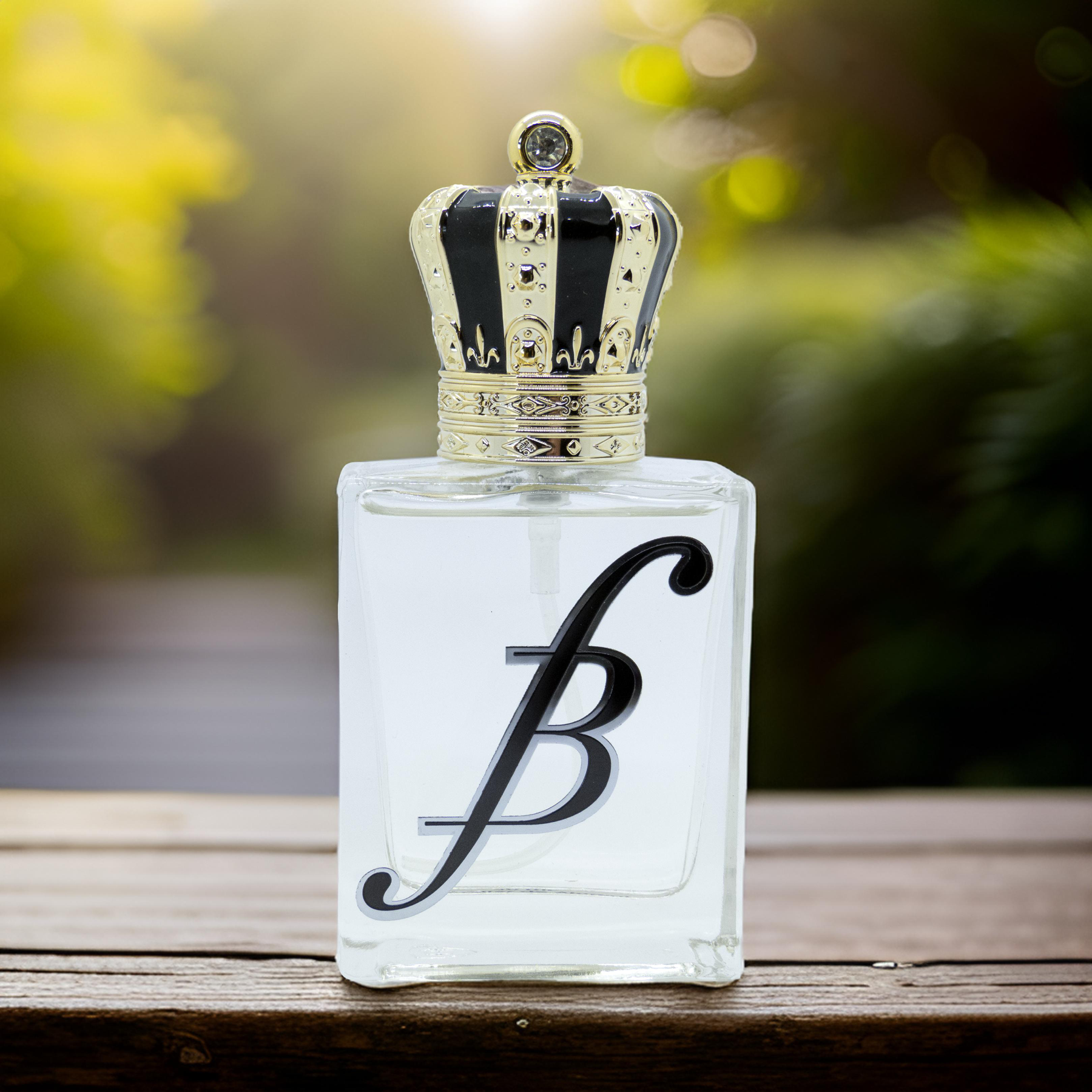
How Our Exquisite Scents Are Made
Nothing about the process is unusual for a house of this size. It is simply slower than most buyers expect, and the slowness is where the quality comes from.
Raw materials
Our florals come largely from Grasse and the surrounding communes, bought by the harvest rather than on contract, which means an indifferent year is an indifferent year and we buy less of it. Citrus oils are pressed in Calabria and Sicily. Resins, woods and balsams are sourced through a handful of long-standing suppliers, several of whom have dealt with the house for more than forty years. We use synthetic materials where they genuinely outperform a natural equivalent, or where the natural one is restricted, and we do not pretend otherwise.
Maceration and ageing
Once a concentrate is blended with alcohol it goes into a sealed vessel and is left alone. Depending on the formula this takes between six weeks and twenty four months. During that time the sharper top notes soften and the base materials work their way up through the composition. A fragrance bottled straight after blending smells raw and disjointed; the same fragrance after a proper maceration smells finished. This is the single step most often skipped in commercial perfumery, and it is the one we will not shorten.
The perfumer's hand
Every formula in the house is owned by a named perfumer who adjusts it across seasons as materials shift. Fragrance is an agricultural product as much as a manufactured one, and a formula that is not tended will drift. The perfumer's signature engraved on the Signature Collection bottles is not decoration; it is an accountability mark.
Finding the Scent That Suits You
Reading a note list is a poor substitute for smelling something, but it will narrow the field. Most customers find their way into the catalogue through one of three doors.
If you prefer florals
Start with Jasmin, our 1890 composition, or with La Belle Epoque from 1901. Both are built around a large natural floral heart and wear close to the skin for the first hour before opening out. These are the scents customers most often describe as soft rather than sweet.
If you prefer fresh and green
Extrait a la Fougere, first sold in 1910, is the reference point: lavender, herbs, oakmoss and a dry, faintly soapy finish. It is classified as a masculine fragrance and was written as one, though a good proportion of the people who buy it are women.
If you prefer warm and resinous
The Collection Privee is where the heavier materials live, including amber, labdanum, sandalwood and vanilla absolute. These wear longest and project furthest, which makes them better suited to cold weather and evenings than to an office in July.
If you are still undecided, our sample sets let you try several exquisite scents at low cost before committing to a full bottle, and the cost of a sample set is credited against your first full-size order.
What Our Customers Say
Andrea
La Belle Époque - 1901
This is such a classic fragrance. It's old fashioned yet modern. I think any age group could wear this. When you use it, you feel wrapped in the fragrance The fact that people offer compliments proves that it is enjoyable and not something that overwhelms.
Deborah
Rose D'or
A sheer plush rose. Does heavy notes in a light and subtle way. Strongly feminine. Pretty comforting for some reason.
Rebecca
La Belle Époque - 1901
A nice, tender cloud surrounds you after spraying this. I love it! It smells so nice, people always ask what perfume it is - I keep that to myself :-)
Questions About Our Fragrances
How long do your scents last on skin?
Between five and ten hours for most of the catalogue, and longer for the Collection Privee. Longevity depends heavily on skin type and on how dry your skin is when you apply, so applying to moisturised skin will noticeably extend wear. All of our fragrances are sold at extrait or eau de parfum concentration rather than eau de toilette.
Do you offer samples?
Yes. Sample sets are available for each collection and include two millilitre vials of every fragrance in that range. The cost of the set is credited against your first full-size bottle, so trying before you buy costs nothing if you go on to order.
Do formulas change over time?
Occasionally, and only when we have to. Regulatory restrictions and the disappearance of a raw material are the usual causes. When a formula is adjusted we record it on the product page along with the year of the change, so you can see exactly what you are buying.
Can I return a fragrance I do not like?
No, all sales are final; the only exception being items damaged in transit. Because fragrance is a personal purchase, we would rather you spent a few dollars on a sample set first than gambled on a full bottle, and our customer service team is happy to make recommendations by email.